CS2 Tournaments Top: Prize Pools
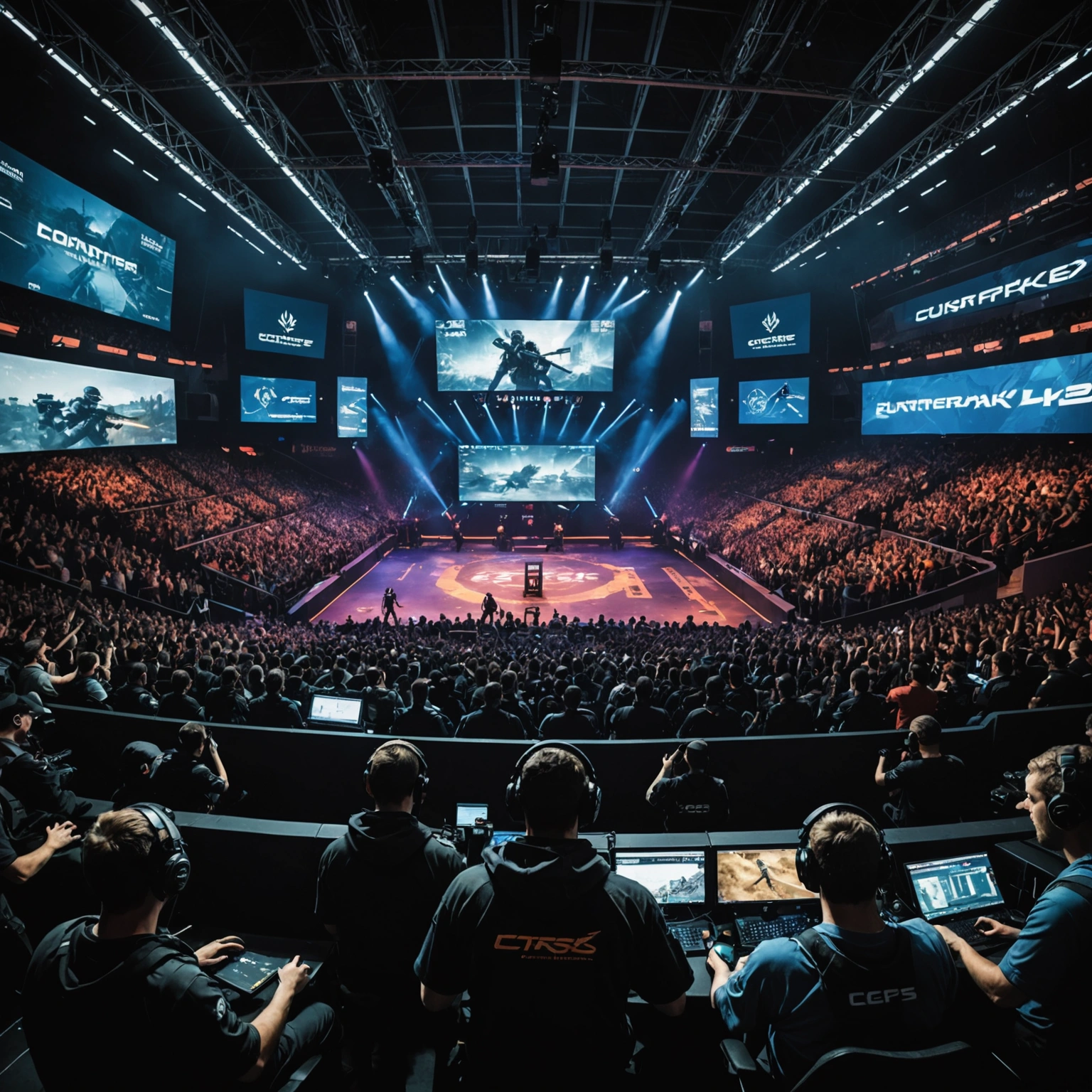
When Competition Heats Up: What Makes CS2 Tournament Prize Pools So Exciting?
Imagine the roar of the crowd, the click of a perfectly timed headshot, and the tension thick enough to cut with a knife. That’s the world of CS2 tournaments, where not just glory but staggering prize pools are on the line. For the passionate gamers, fans, and bettors alike, understanding these prize pools goes beyond mere numbers—it’s about the stakes, the prestige, and the sheer adrenaline that fuels every match.
But here’s the catch: with the ever-expanding ecosystem of CS2 tournaments, the landscape can feel a bit overwhelming. When exactly are these tournaments happening? How do their prize pools stack up? And how can enthusiasts make the most of the schedule of CS2 tournaments without missing a beat? These questions swirl through the minds of many who want to stay ahead, whether they're players strategizing for glory or fans eyeing the next big event to follow.
To add a layer of excitement, online platforms have started offering perks tailored to this vibrant community. For instance, those interested in betting can explore options like a free bet on registration in Kenya, which not only adds a thrill to watching the matches but also provides a risk-free way to engage with the competitive scene. This intersection of gaming and betting has only heightened the allure surrounding prize pools and tournament schedules, making the stakes feel even more tangible.
Decoding the Prize Pools: More Than Just Money
At first glance, prize pools might seem like straightforward cash amounts awarded to winning teams. But dig a little deeper, and you’ll find a fascinating ecosystem where these totals reflect the health and popularity of the game, the dedication of sponsors, and the sheer passion of the community. CS2 tournaments are no exception; their prize pools often run into the hundreds of thousands or even millions of dollars, signaling just how seriously the competitive scene is taken.
These prize pools act as a magnet, attracting top-tier teams from around the globe. The promise of a lucrative reward pushes players to refine their skills, innovate strategies, and bring their best to every match. For fans, the size of the prize pool often correlates with the level of competition and the entertainment value, making it a handy barometer when choosing which events to follow closely.
What Drives These Prize Pools Higher?
- Sponsorship Deals: Big-name brands investing in the esports scene are a huge factor in boosting prize money.
- Community Contributions: Crowdfunding and in-game purchases can funnel money directly into tournament coffers.
- Growing Audience: As viewership numbers climb, so does advertising revenue, which in turn inflates prize pools.
- Developer Support: Game creators often allocate funds from sales and events to maintain a vibrant competitive scene.
Understanding these drivers offers fans and participants a better grasp of why some CS2 tournaments boast jaw-dropping prize pools while others operate on a more modest scale. It’s a dynamic interplay that makes following the schedule of CS2 tournaments so intriguing.
Keeping Up With the Action: Navigating the Schedule of CS2 Tournaments
Tracking the schedule of CS2 tournaments is like having a front-row seat to an unfolding drama. Each event brings its own narrative, rivalries, and potential for massive prize money. But with so many tournaments popping up worldwide—some regional, others international—it’s easy to feel lost in the shuffle.
Fortunately, various platforms and community hubs provide up-to-date schedules, ensuring no fan misses a single moment of the action. These schedules typically include details such as start times, formats, participating teams, and, crucially, the prize pools on offer. For bettors and spectators looking to maximize their engagement, syncing their calendars with these schedules is essential.
Moreover, the timing of tournaments can influence strategies beyond gameplay—think travel plans, rest periods, and even betting strategies. For example, knowing when a major tournament with a massive prize pool is about to kick off can help fans plan their viewing parties or bettors decide when to place their stakes, possibly leveraging bonuses like the aforementioned free bet on registration in Kenya to their advantage.
Tips for Staying on Top of the CS2 Tournament Scene
- Subscribe to esports newsletters or follow dedicated CS2 tournament trackers.
- Engage with community forums where schedules and prize pool updates are frequently discussed.
- Use calendar reminders to catch live streams and avoid missing out on key matches.
- Keep an eye on official announcements from tournament organizers and game developers.
By mastering the schedule of CS2 tournaments and understanding the significance behind prize pools, enthusiasts can transform from casual viewers into savvy fans and participants, fully immersed in the thrilling world of competitive Counter-Strike.

CS2 Tournaments Top: Prize Pools Explained
What Are the Largest Prize Pools in CS2 Tournaments?
Counter-Strike 2 (CS2) has quickly become one of the most competitive esports scenes worldwide, with tournament prize pools reflecting the game's growing popularity and professionalization. The largest CS2 tournament prize pools often reach into the millions of dollars, showcasing the game's strong financial backing and the high stakes involved for players and organizations alike.
For example, top-tier CS2 tournaments like the CS2 Major Championships typically feature prize pools ranging from $1 million to $2 million. These events are organized by Valve and other prominent esports organizers, attracting elite teams from around the globe. The high prize pools not only incentivize competitive excellence but also drive viewership and sponsorship investment.
Understanding the scale of prize pools in CS2 tournaments helps fans and aspiring players appreciate the professional level of competition and the significant rewards at stake.
How Is the Prize Pool Distributed in CS2 Tournaments?
Prize pools in CS2 tournaments are usually distributed based on team placement, with the winning team receiving the largest share. This distribution incentivizes teams to compete at their highest level throughout the event. A typical prize pool breakdown might look like this:
- 1st Place: 40% to 50% of the total prize pool
- 2nd Place: 20% to 25%
- 3rd-4th Place: 10% to 15% each
- Other placements: Smaller shares to teams finishing lower in the standings
This tiered system ensures that all teams who make it into the main event or playoffs receive some compensation, which helps sustain the competitive ecosystem. Additionally, some tournaments may include MVP awards or special bonuses for outstanding individual performances.
What Is the Schedule of CS2 Tournaments and How Can Fans Keep Track?
The schedule of CS2 tournaments is packed throughout the year, featuring a mix of Valve-sanctioned Majors, regional leagues, and third-party competition events. The calendar typically includes:
- Valve Majors: Held two to three times a year, these are the most prestigious events with the biggest prize pools.
- Regional Leagues: Such as ESL Pro League, Flashpoint, and other regional circuits that serve as qualifiers or standalone competitions.
- Online and LAN Events: Smaller tournaments that fill the gaps between major events and provide continuous action for fans.
To stay updated on the schedule of CS2 tournaments, fans and participants can rely on official esports websites, tournament organizers' platforms, and dedicated esports tracking apps. Websites like HLTV.org and Liquipedia provide real-time schedules, team rosters, and match results, making it easier to follow the dynamic competitive scene.
Why Are CS2 Tournament Prize Pools Important for the Esports Ecosystem?
Prize pools serve as a critical driver for the overall health and growth of the CS2 esports ecosystem. They:
- Attract top talent by offering financial incentives that support professional gaming careers.
- Encourage higher levels of competition, which in turn enhances the quality of gameplay and viewer engagement.
- Draw sponsorships and media rights deals, fueling further investment into the scene.
- Provide fan engagement opportunities through high-stakes matches and storylines around prize money.
Without substantial prize pools, it would be challenging to sustain the professional teams and infrastructure necessary for CS2 to thrive as a global esport.
Examples of Noteworthy CS2 Tournaments and Their Prize Pools
Here are some of the most significant recent CS2 tournaments that illustrate the scale of prize pools in the competitive scene:
- CS2 Major Championship 2024: $2 million total prize pool; won by Team Alpha after a thrilling grand final.
- ESL Pro League Season 18: $750,000 prize pool; featured intense competition across multiple continents.
- Flashpoint Season 4: $1 million prize pool; known for its innovative format combining league and tournament play.
These events highlight the diversity and financial robustness of the CS2 competitive landscape.
How Can Aspiring Players Participate in CS2 Tournaments?
For players looking to enter the competitive CS2 scene, understanding the tournament schedule and prize pool structure is essential. Here are some steps to get started:
- Follow the official schedule of CS2 tournaments to identify open qualifiers and regional events.
- Join or form a team to compete in online qualifiers that feed into larger tournaments.
- Engage with the community on platforms like Discord, Reddit, and esports forums to find opportunities and teammates.
- Watch and learn from professional matches to improve skills and strategies.
- Practice consistently and participate in smaller online tournaments to gain experience and visibility.
By leveraging the schedule of CS2 tournaments and understanding prize pool incentives, aspiring players can map out a clear path toward competitive success.


